




In This Issue
Mini-Commitments
The power of small yesses
The fastest way to a major sale isn’t a single leap — it’s a carefully crafted series of small, meaningful actions. Each time your audience says YES it builds trust, reduces resistance, and moves them closer to a confident buying decision.
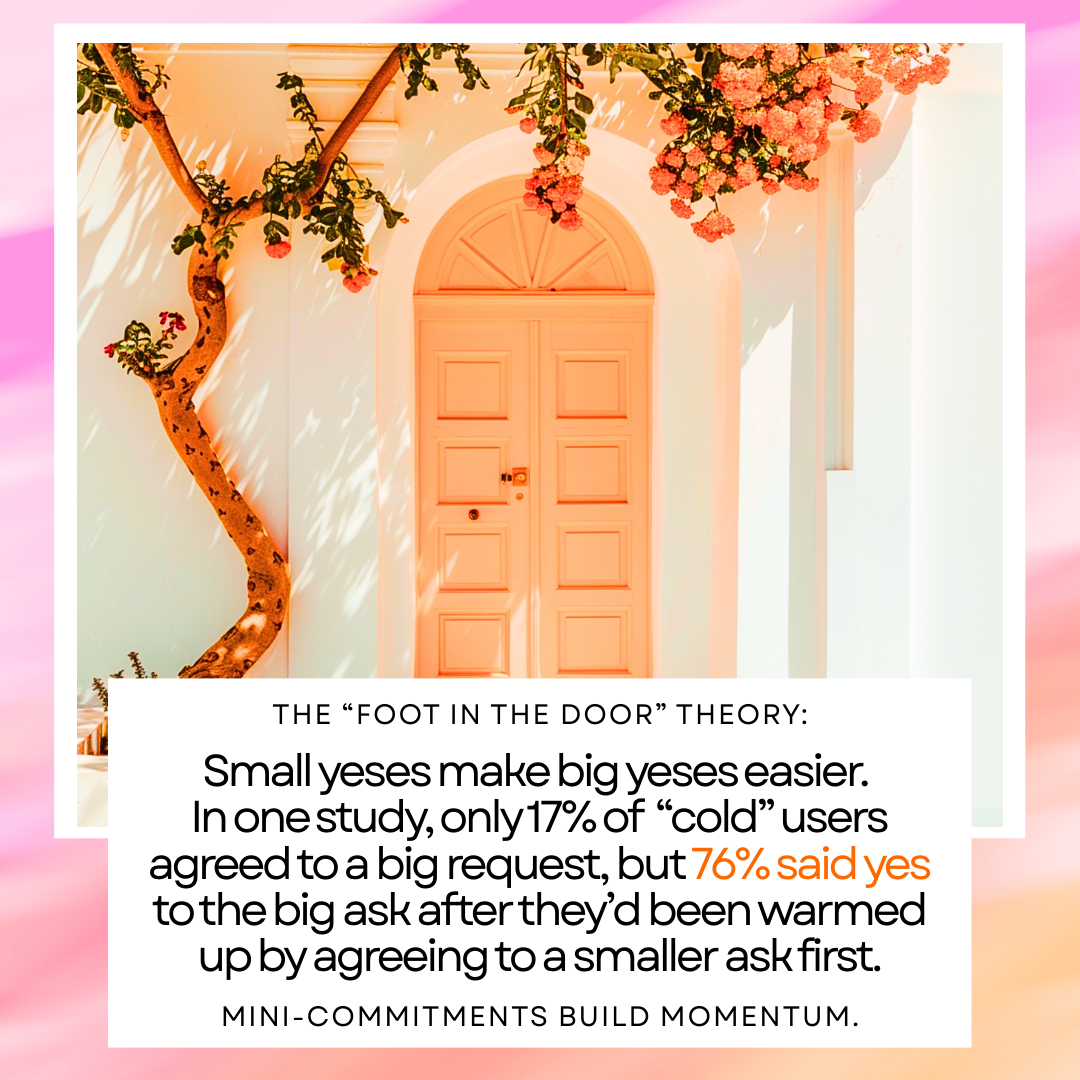
From Behind University Library Paywalls...
The Research
Psychology research shows that the foot-in-the-door effect (getting someone to say yes to a tiny request) significantly increases the chances they will agree to a larger request later.
This is driven by the commitment and consistency principle. Saying yes to a small step creates a commitment bias – a tendency to stick with our decision and justify it with further action.
Each “yes” builds momentum. Emotionally, a sequence of micro-commitments lowers the psychological barriers, and we begin to trust the process and feel invested.
Why It Works
self-perception theory
Small commitments shift our self-image: after taking a first step, we see ourselves as “engaged” and want to stay consistent with that identity. This makes the next yes feel natural and low-risk.
Why It Matters
the "yes ladder" is real
Early, easy "yeses" set a cooperative tone that carries forward. It creates a sense of partnership or goodwill. Each small step increases our sense of investment in the brand, business or creator.
A Sense Of Indebtedness
Here's the secret ...
Think: Reciprocity
From a tiny "why not?" to a real sale.
Offering a free resource or trial in exchange for an email is a classic first step in any marketing funnel. It’s easy for prospects to say “Sure, why not?” and that simple yes often paves the way for later purchases.
Research shows that a meaningful percentage of free trial recipients DO convert to paid customers. In digital marketing, this plays out in real numbers: opt-out free trials convert at 48.8%, compared to just 18.2% for opt-in models (Source: 2025 data from First Page Sage).
We feel a pull to repay the generosity of a free gift with our paid patronage. Humans are wired to feel obligated to return favors or kindnesses.
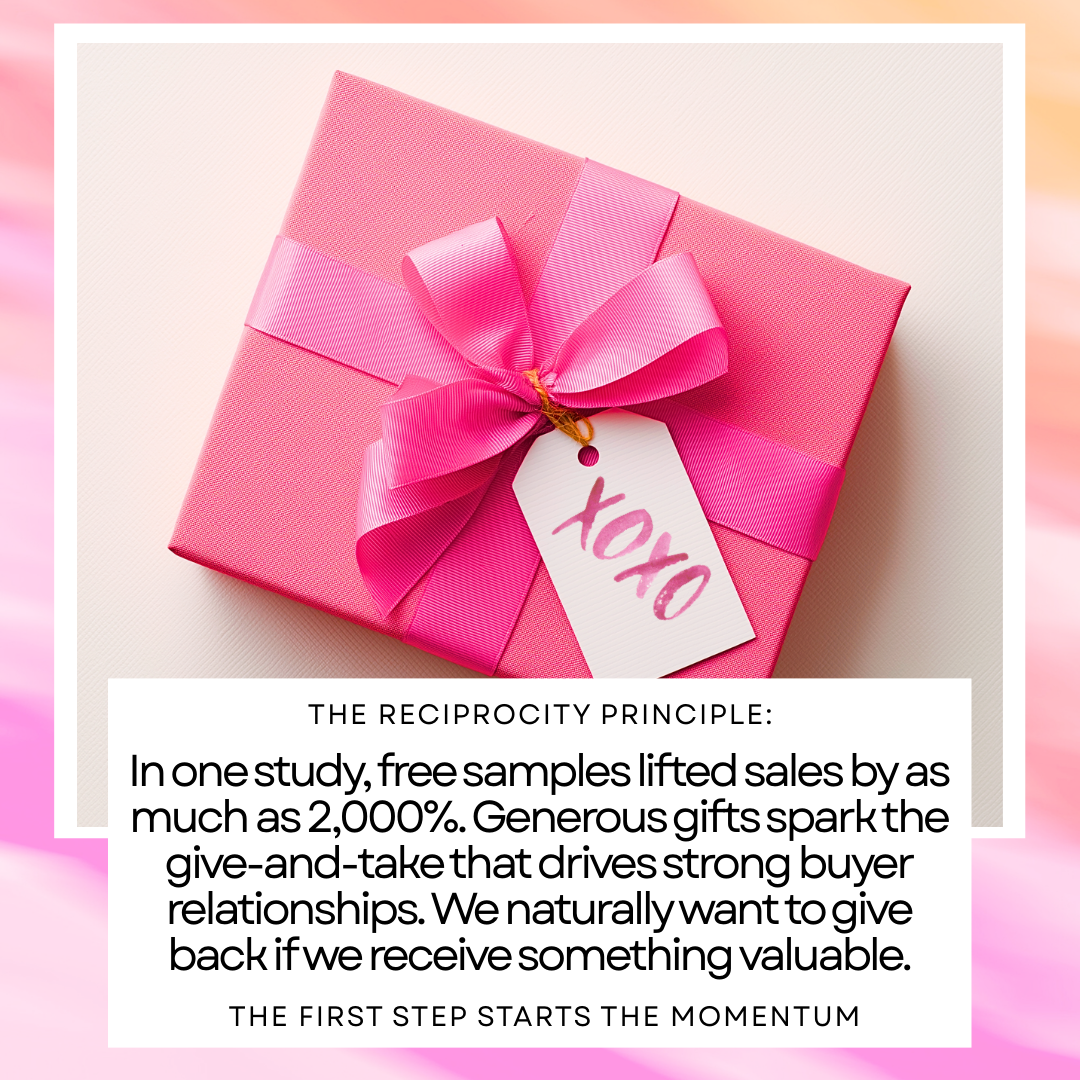
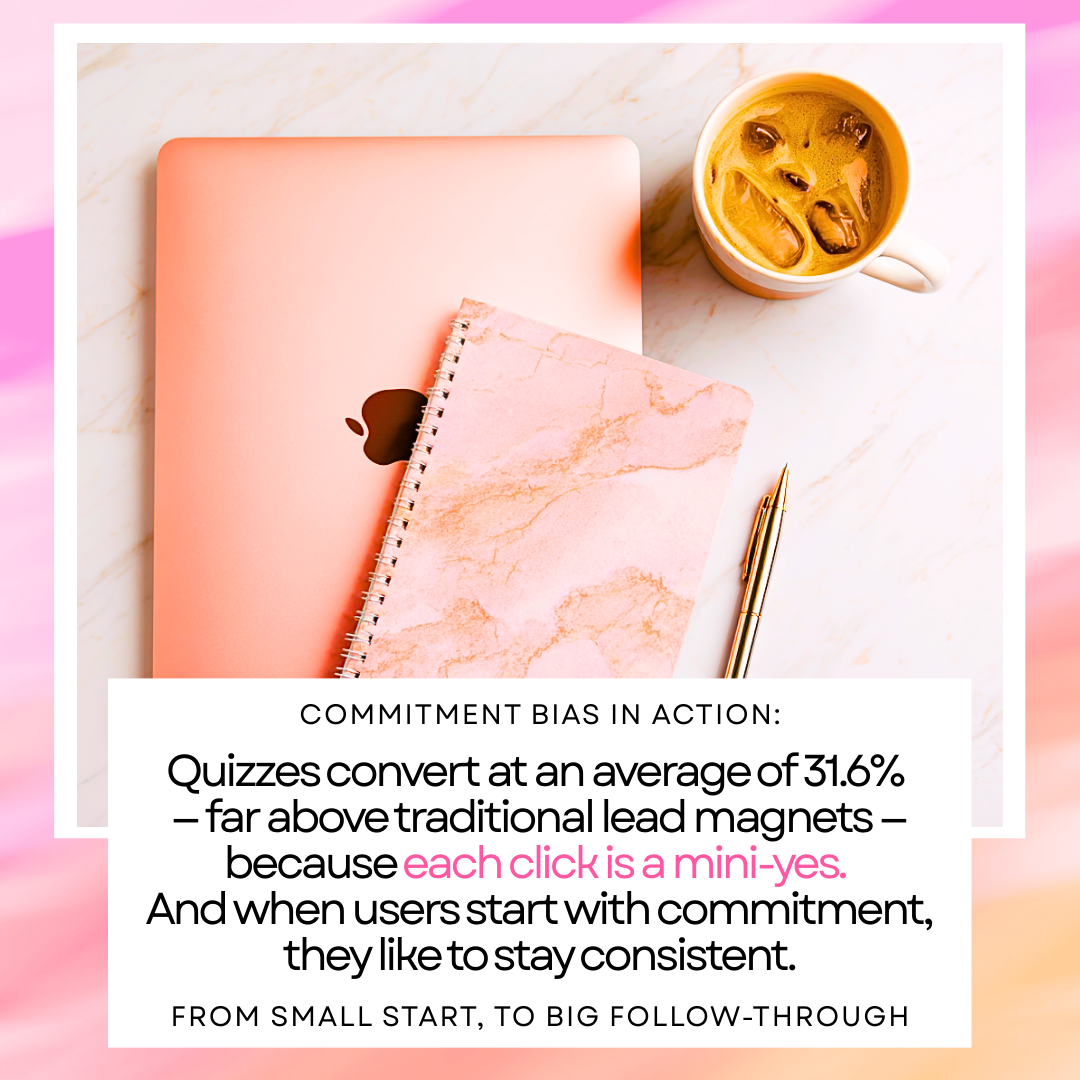
Your Gift Needs To Feel Real.
However
There's a catch ...
You must make a STRONG first impression
True reciprocity only ignites when people perceive genuine value. The more genuine value you give up front, the more the recipient feels obliged and inclined to reciprocate down the line.
A 2023 study from The University of Zurich showed that high-value, thoughtfully chosen gifts sparked far greater follow-through than token gestures. And they led recipients to treat the sellers more generously in the future.
Your freebie must impress or customers won't feel moved to say a second yes. If the first experience disappoints, they’ll be consistent with that too (by saying no next time).
Offer something extra valuable up front to earn the subtle emotional momentum that fuels those next yeses.
Design For Decision Shortcuts, Not Deep Analysis
AI Prompts
Each micro-commitment builds a sense of progress, and once people start they are far more likely to keep going. Research shows that even a small action can create momentum through the completion effect, where we feel pulled to finish what we have begun. These prompts are designed to help you build that momentum into your marketing strategy, step by step.

Prompt #1: Guide reflection with quick wins.
Self-assessments work best when they feel light and doable. Short, reflective questions help your audience see progress fast, while also priming them for the next step with you. Use this approach to spark clarity and interest without overwhelm.
Ask ChatGPT:
"Create 10 short, reflective questions my audience of [insert description] can answer in under a minute each. Each question should: (1) feel emotionally engaging and non-intimidating, (2) invite quick self-reflection on their current challenges, goals, or habits, (3) naturally highlight the gap your [offer] can help close, and (4) feel like small wins that build curiosity and momentum. Make the questions conversational, not clinical, and keep them under 12 words each."
Prompt #2: Create belonging through early actions.
Mini-commitments work best when they do more than move someone forward. They make people feel like they are part of something. Early asks that position prospects as insiders, contributors, or learners give them a role to inhabit. That sense of belonging makes it natural to keep engaging, because continuing the journey feels like staying true to the community they have joined.
Ask ChatGPT:
"Suggest 3 examples of early micro-commitments I could use in my marketing that help prospects feel like they belong (e.g. as insiders, learners, or contributors), so that continuing to engage with my brand feels natural."


Prompt #3: Map micro-commitments into email.
Email is an ideal channel for building small yeses over time. Each message can invite a tiny action that builds trust and investment, paving the way for your bigger offer. Think of it as stacking momentum one click or reply at a time.
Ask ChatGPT:
"Suggest 3 specific micro-commitments I can build into my email sequence that feel natural and valuable to my audience of [describe your audience]. Each suggestion should: (1) require very little effort or time from the reader, (2) provide immediate perceived value or insight, (3) build trust and momentum toward my higher-ticket offer, and (4) feel conversational and aligned with emotional marketing principles (helpful, empathetic, non-pushy). Include an example subject line or call-to-action phrasing for each."
Learn It, Try It
Templates
Use the Step Into Yes Collection to guide your audience through a series of small, meaningful actions that build momentum toward your bigger offer.
Each template in this set is designed to spark an easy first yes, lower resistance to the next one, and keep prospects feeling confident to climb your offer ladder.

Step Into Yes—Template One
"Yes Please!" Freebie Mockups
Showcase your freebie with mockups that make it look like something they would pay for. By making your opt-in feel polished and substantial, you spark reciprocity and set the stage for future yeses.
(size: 1080px 𝓍 1080px)
Step Into Yes—Template Two
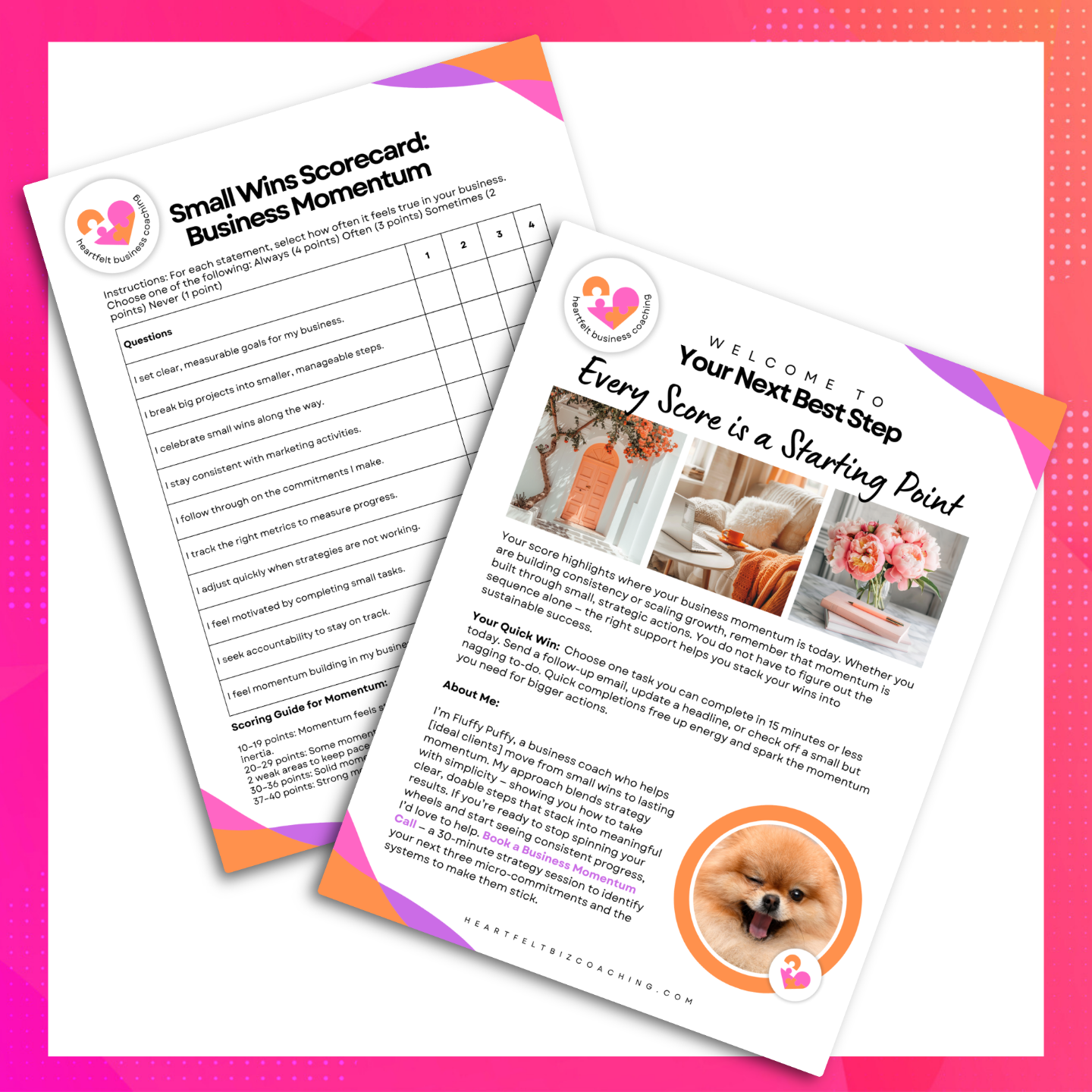
“Momentum Map" Self-Assessment
Help your audience reflect quickly and see their own next step with clarity using this scorecard. By guiding them through a short sequence of prompts, you create a sense of progress and forward motion that makes engaging with your offer feel natural and low-pressure.
(size: 8" 𝓍 11")
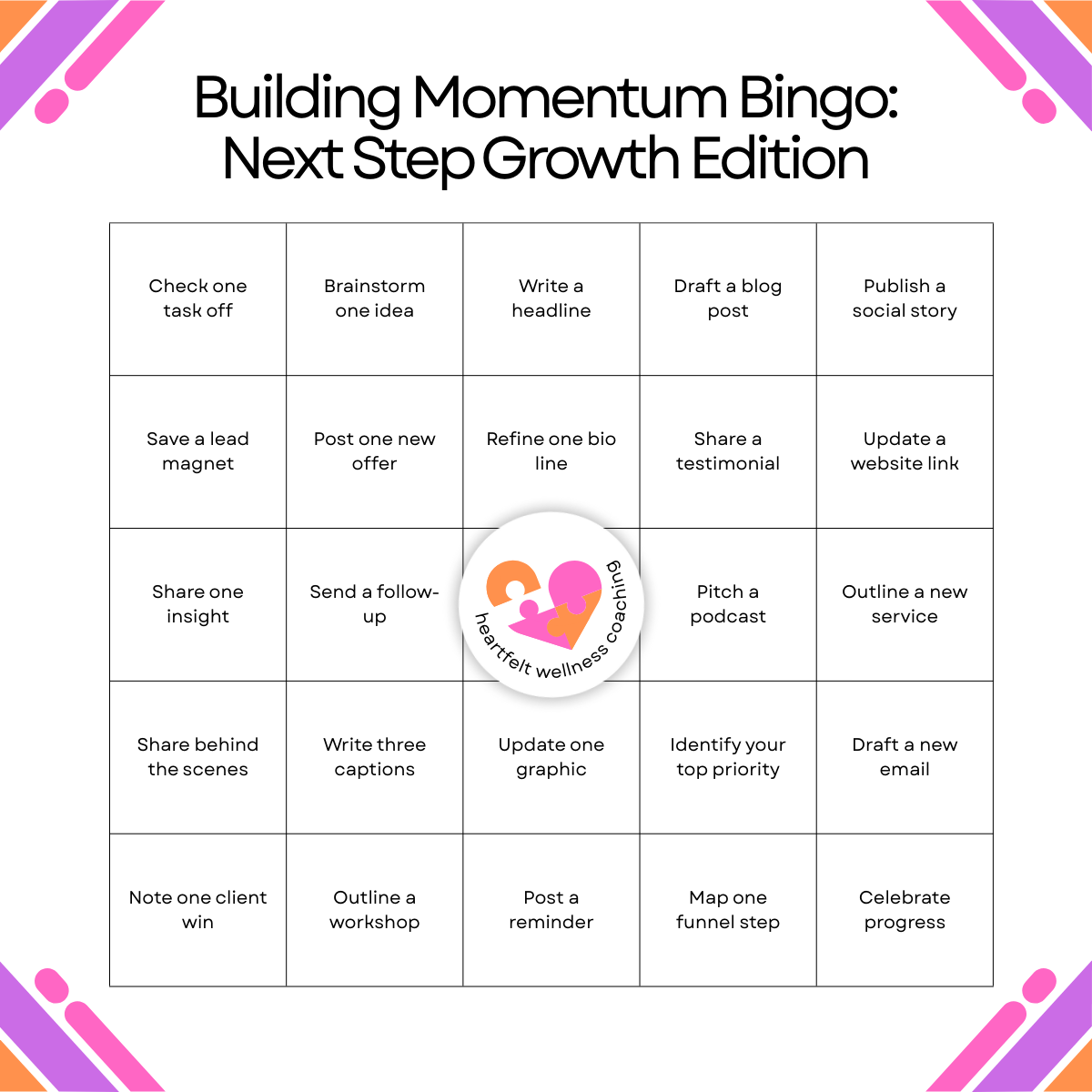
Step Into Yes—Template Three
“Tiny Wins" Bingo Cards
Use this bingo card to turn micro-commitments into a playful sequence of small wins. Each square invites a quick action that feels easy in the moment but builds visible momentum over time, making the bigger commitment feel like the natural next move.
(size: 1080px 𝓍 1080px)
3 Quick Questions To Ask Yourself
Before You Hit Publish:
Is my first ask effortless?
Would my audience see this as a tiny, risk-free step?
Does each step point to the next?
Is there a clear sense of progress built in?
Is this instantly valuable?
Does the first step spark reciprocity?

Behind the Designs
Hi, I'm Sidneyeve.
Graphic & Instructional Designer (ID Harvard DCE), Marketing Professor (PhD UMN), Business Coach (ICF PCC)
Thanks for visiting my studio shop.
I'm a marketing professor who studies online buyer behavior and the emotional impact of visual communication. Through Valentine Design Studio, I translate academic insight into visual strategy for solopreneurs who want to promote their work beautifully and persuasively.
My clients are women selling digital offers on their own. They want marketing that looks polished, communicates value clearly, and reflects the care they bring to their work.
Friendly disclaimer: The information in this newsletter is for educational purposes only. I can’t guarantee specific income or other results. Your outcomes depend on your niche, audience, experience, and how you apply what you learn. Always test, tweak, and trust YOUR data. 🎀
Hope you enjoyed this issue!